Choosing the Right Equestrian Surface for Your Arena
Choosing the right equestrian surface for your arena is an important decision that affects training quality, consistency and long‑term usability. This guide explains how different surfaces behave, the challenges of inadequate footing and the key factors to consider when selecting a surface that supports your horse’s comfort and your chosen discipline.
Challenges of Inadequate Equestrian Surfaces
Riding on an unsuitable arena surface can create daily frustrations and reduce the quality of your training. Below are common issues riders experience when a surface isn’t performing as it should.
Do you arrive after work or school and find the arena waterlogged or frozen? Poor drainage or inconsistent materials can limit how often you can ride.
Have you ever lunged your horse and worried about slipping on thin or uneven areas? Uneven depth or movement in the surface can affect confidence and consistency.
Does the surface shift or ride away when you work your horse? A surface lacking stability can make training unpredictable and difficult to maintain.
Have you ridden on a hot day in dust that affects both you and your horse? Insufficient moisture retention or incorrect material choice can lead to excessive dust.
Whatever the challenge, an unsuitable surface often makes these issues more noticeable. This article explores the implications of inadequate footing and how thoughtful surface selection supports a safer, more enjoyable training environment.
Choose the Right Arena Surface for Your Horse’s Welfare and Discipline
Arena surfaces behave differently under pressure, and their performance changes based on the forces they experience. Understanding these differences helps you choose footing that supports your horse’s comfort and the demands of your discipline.
Think of it like two people sharing a mattress. If their weights differ significantly, the mattress won’t feel the same for both. One may find it supportive, while the other may not. Arena surfaces work in a similar way: different horses and disciplines place different loads on the footing.
When a horse lands after a jump, the impact is fast and the load is significant. The horse interacts with deeper layers of the surface, so stability and support become essential. A dressage horse, however, works more through controlled movement and balance, so the surface needs to offer consistent cushioning and a reliable feel underfoot.
For dressage, surfaces that absorb shock and return energy help maintain rhythm and balance. They support smooth transitions and allow the horse to work with confidence and ease.
How Different Equestrian Surface Materials Affect Horses
Firmness and Impact Absorption
The firmness of an arena surface influences how a horse moves and how consistently they can work. Surfaces that feel overly hard may reduce comfort and limit performance, while surfaces that are too soft can lack stability and make it difficult for the horse to maintain balance and rhythm. Achieving the right balance between support and cushioning is essential for confident, effective training.
Material Blend
Surfaces made from equestrian‑grade silica sand combined with a suitable stabilising fibre—such as our Dual Stabiliser or Pro‑Advanced Stabiliser—are designed to offer reliable structure and consistent feel underfoot. These blends support shock absorption, help maintain surface integrity and provide secure footing for both take‑off and landing in jumping work. They also offer the stability and consistency needed for flatwork and general schooling.
Arena Maintenance Requirements
Some materials, such as silica sand, offer excellent drainage and long‑lasting performance, but they do require regular maintenance to stay consistent.
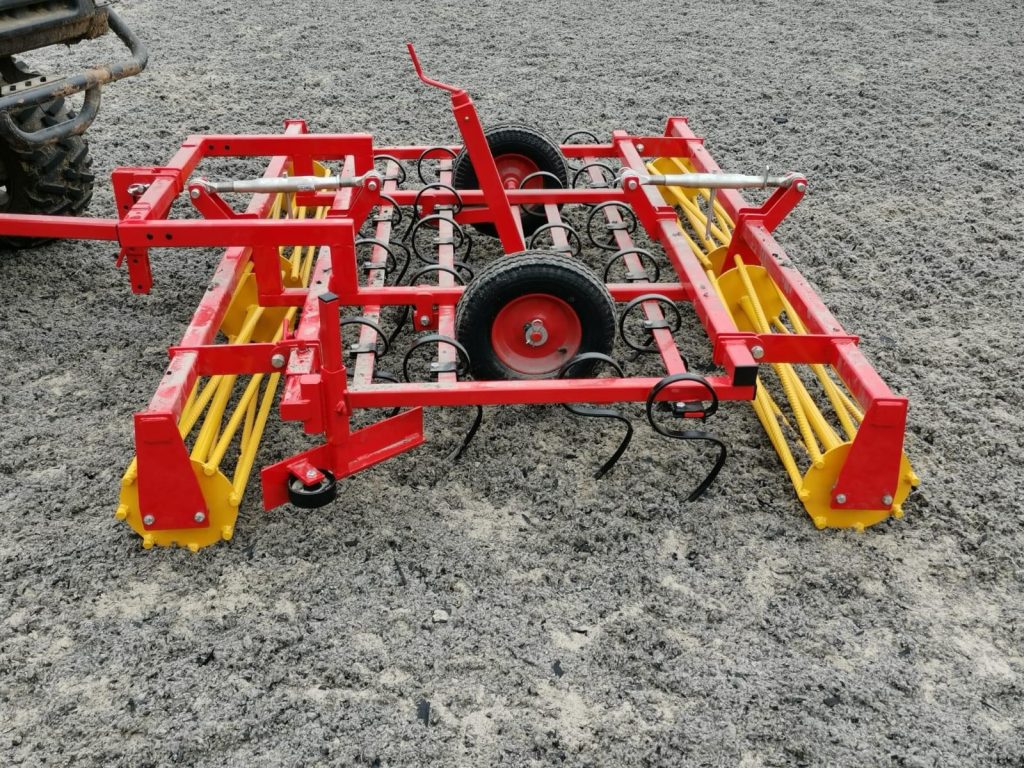
Picking up droppings and carrying out routine surface care can significantly extend the life of your arena.
Watering helps control dust and improves overall stability.
Good drainage must be planned during installation to ensure reliable year‑round use.
Consistent grading and grooming maintain an even surface and help prevent ruts or uneven areas.
FAQ: Choosing an Equestrian Surface
What is the best surface for general schooling?
A balanced surface with good stability and cushioning suits most flatwork and everyday training.
Do different disciplines need different surfaces?
Yes. Jumping often benefits from deeper support, while dressage favours consistent cushioning and a reliable feel.
How often should an arena surface be maintained?
Maintenance frequency depends on usage and material choice, but regular grading and routine care help maintain consistency.
What affects how an arena drains?
Base construction, membrane quality and the type of sand used all influence drainage performance.
When should I consider upgrading my surface?
Consider upgrading when the footing becomes uneven, difficult to maintain or no longer suits your training needs.
Prioritising Horse Welfare with the Right Equestrian Surface
Selecting the right equestrian surface is an important decision that influences training quality, confidence and long‑term usability. A well‑chosen surface supports your horse’s comfort, allows consistent work and helps each discipline perform at its best.
A suitable arena surface is an investment in your horse’s wellbeing, your training goals and the long‑term value of your facility.
Let Us Help You Choose the Right Equestrian Surface
Start your journey toward a consistent, reliable riding surface that supports both your horse’s comfort and your training ambitions.
For tailored guidance, you can contact us directly:
WhatsApp Greig – 07980264774
WhatsApp Ross – 07359382964
We’re here to help you choose the right surface for your arena and long‑term goals.